
Welcome to our collection of articles that have been featured in our previous newsletter editions.
Whether you're a regular reader revisiting your favourite articles or exploring our content for the first time, here you’ll find thought provoking ideas, fresh insights and psychological concepts to support your wellbeing and development. You’re welcome to reach out to us with any questions or suggestions for topics to feature in our newsletter. Your input helps us tailor our content to better suit your interests and needs. We'd love to hear from you about the kind of content you'd like to see more of and that would be helpful to you.

Understanding borderline personality organisation
Instability is the defining feature of the borderline personality. Individuals with this structure experience a pattern of instability in life, emotions, identity and relationships. These ways of organising experience often develop as adaptations to early attachment injuries and relational trauma. At the core of this instability is a mind that has become organised around survival. In this state of mind, there is a need to simplify more complex experiences in an effort to reduce uncertainty and distress.
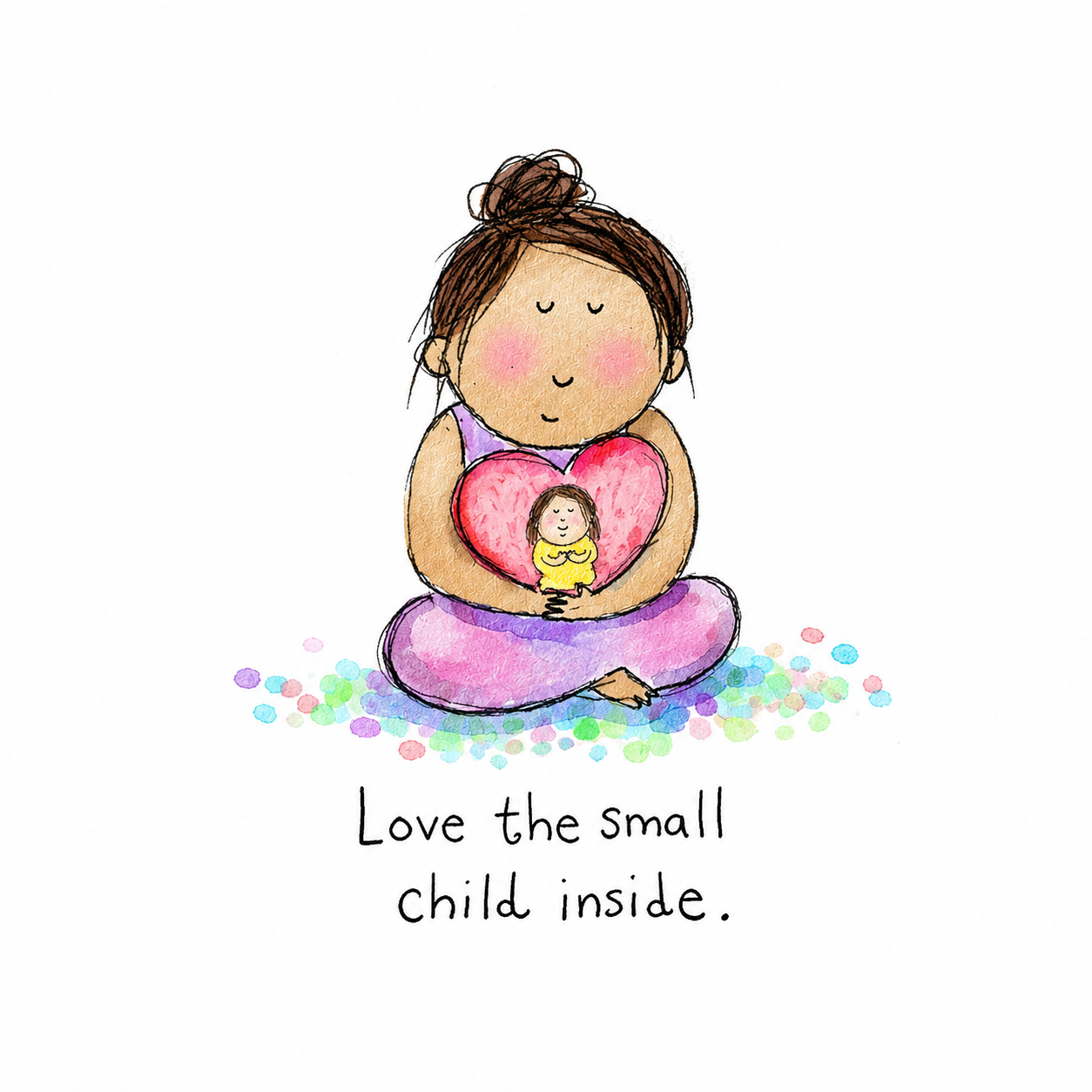
Healing your wounded parts
Even the most sensitive and responsive caregiver cannot fully meet a child’s emotional and attachment needs. Inevitably, we all carry, to some extent, experiences of rupture, misattunement, and relational trauma. Emotional and attachment injuries are often underlying the problems that bring a person to therapy and cause inner conflict of self-doubt, self-condemnation, and self-loathing. Relating to our most vulnerable parts with contempt and shame becomes a form of self-alienation that intensifies distress and isolation. That is to say, within our internal working model of relationships, we repeat our past by directing toward our inner child the same harm, suffering, and trauma once experienced from an earlier time.
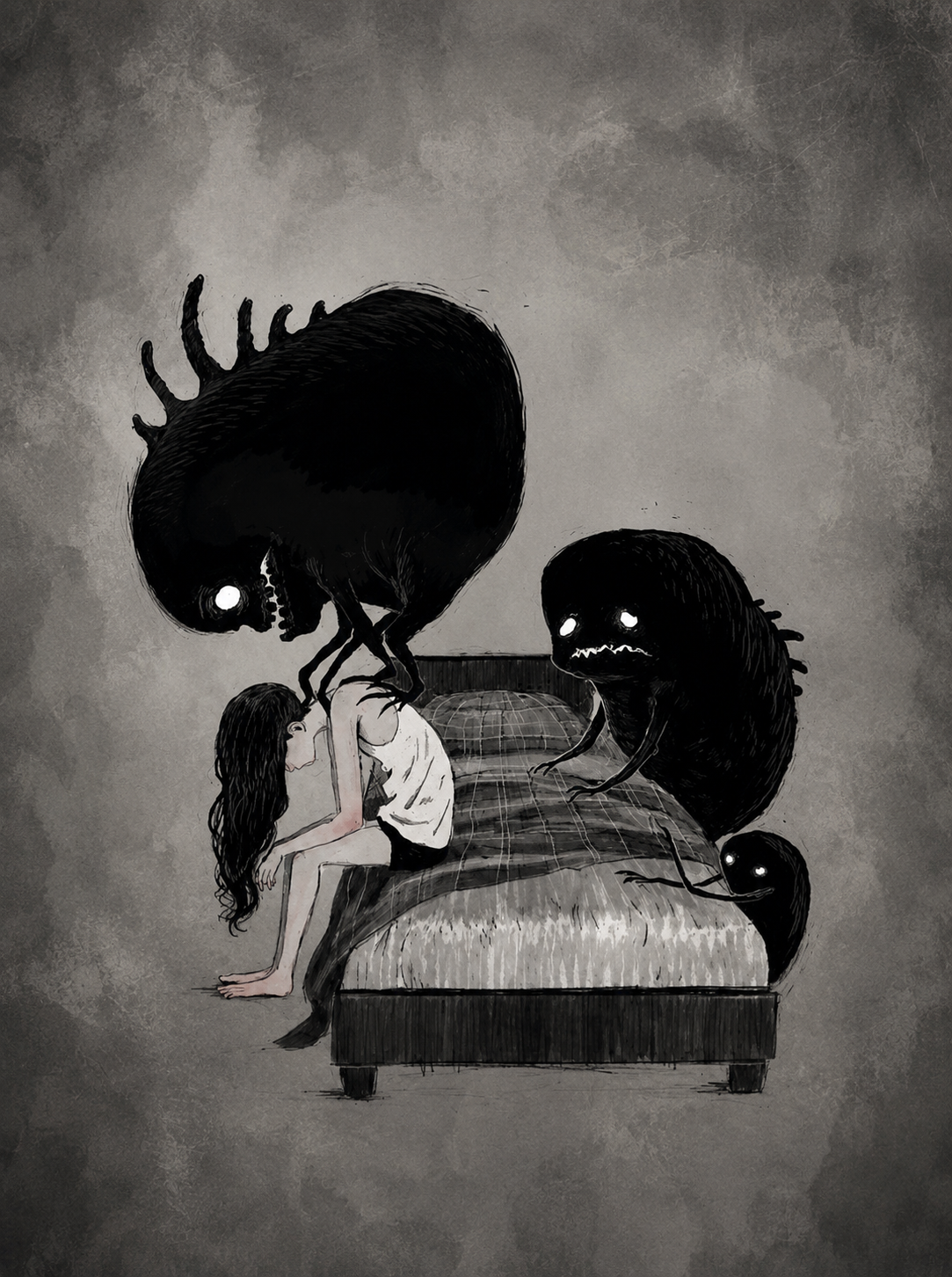
Psychological themes in depressive personality
Among the various personality structures encountered clinically, the depressive personality is one of the most common. Individuals with this structure often struggle with an absence of a stable, internal sense of self-worth. Instead of deriving self-esteem from within, they rely heavily on approval and reassurance from external sources. This dependency can create persistent anxiety around meeting others’ expectations and a strong need to please.
Image: “Sometimes... even getting out of bed is hard" by Giulioin Grosso

Best practice in psychological care: Shifting the focus from symptoms to personality
In previous newsletter editions we have touched on the developmental process of constructing a sense of Self or said otherwise, defining an identity. Similarly, personality formation is also a developmental process. If identity is who we are, then personality can be thought of as the internal psychological structures and processes that govern how we function. Much attention has been given to what influences individual differences amongst people, with the early years of life considered a critical formative period for shaping our adult selves, including the development of our personality.

Healthy emotional dependency: The balance of being both separate and connected
Our sense of self develops within the emotional attachments of our multigenerational family system. From birth, we depend entirely on caregivers for survival, existing in a state of fusion with them. As we grow, becoming responsible for ourselves requires a process of differentiation of self, where we renegotiate these early bonds to develop a mature and distinct identity.

Dream work within therapy: A process of meaning making
Dreams are wildly creative, sometimes frightening and can be bizarre. In our sleep, we enter entire worlds of our own making that exist only for us. The strange stories we return with when we awake have across time inspired curiosity and intrigue in dreamers and listeners alike. Although sleep is an outwardly observable behaviour, dreaming is a mysterious inner experience that stimulates interpretation and has led to various theories about its meaning and purpose.
Image: The City is Landing by Jacek Yerka

A flight to health: When defence mechanisms take hold
A complicating factor of therapy is that often what brings you to therapy are the very same things that make you not want to be in therapy. Whether you’re at the beginning of your journey or have been engaged in therapy for some time, the process naturally involves ambivalence and moments of resistance. This article explores one of these phenomena: the flight to health.
Illustration by Robert Neubecker

From magical thinking to reality testing: How denial operates in our lives
Denial is often referred to as a primitive or archaic defence because it originates in early life, at a preverbal and prelogical stage of development. It is a non-reflective process that distorts reality — essentially a “not knowing” of what one does know. It has an omnipotent, magical quality that is reminiscent of the magical thinking characteristic of early childhood. As we grow, lower-order defences like denial give way to more advanced mechanisms, as our ability to test reality matures. Still, traces of denial remain visible in moments of acute distress. For instance, our first reaction to a catastrophe or the news of a death may be, “Oh, no!” - a fleeting belief that if we don’t acknowledge it, it isn’t happening.
Image: The Cover Up by Erik Johansson

On becoming a psychologist: A personal reflection
This time of year marks a pivotal moment for aspiring psychologists as they anxiously await offers for postgraduate psychology programs. While the demanding journey to becoming a medical doctor is generally recognised and depicted in popular media, the path to becoming a psychologist is less understood. In Australia, the title ‘Psychologist' is legally protected and can only be used by those who have completed an accredited sequence of study. Most psychologists undergo at least six years of training, with some adding more years if they study part-time or pursue a doctorate degree. There are different pathways to becoming a psychologist, and while I can’t speak to them all, I can share some of my own experience to offer insight into what it takes to sit in the chair across from you and ask, 'What brings you to therapy?'
Written by Dr Poppy Edwards

Revision of traditional roles: A multidimensional view of fatherhood
We began September by acknowledging Father’s Day. While we celebrate and express gratitude for the important father figures in our lives, we may also navigate complicated relationships, and encounter feelings of absence and loss.
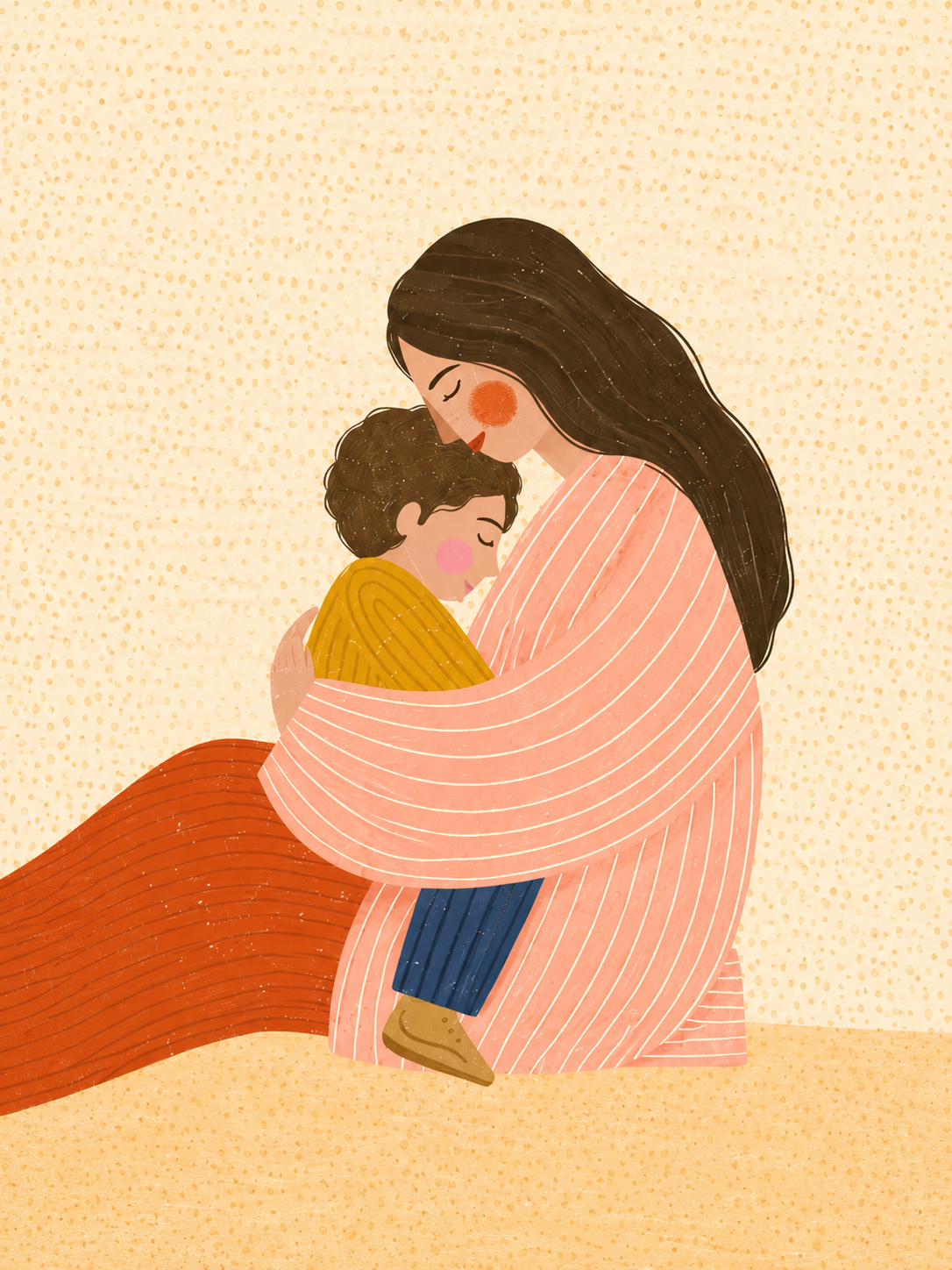
Mirroring: How we are shaped by early reflections
Our first mirror is our mother’s face. It is through her gaze that we begin to understand who we are. This early mirroring is fundamental to development. It is a process of reflection that informs a perception of self and by which our emotions are recognised and responded to by another. Consistent and empathic mirroring is essential for feeling alive, real and connected in relationships.
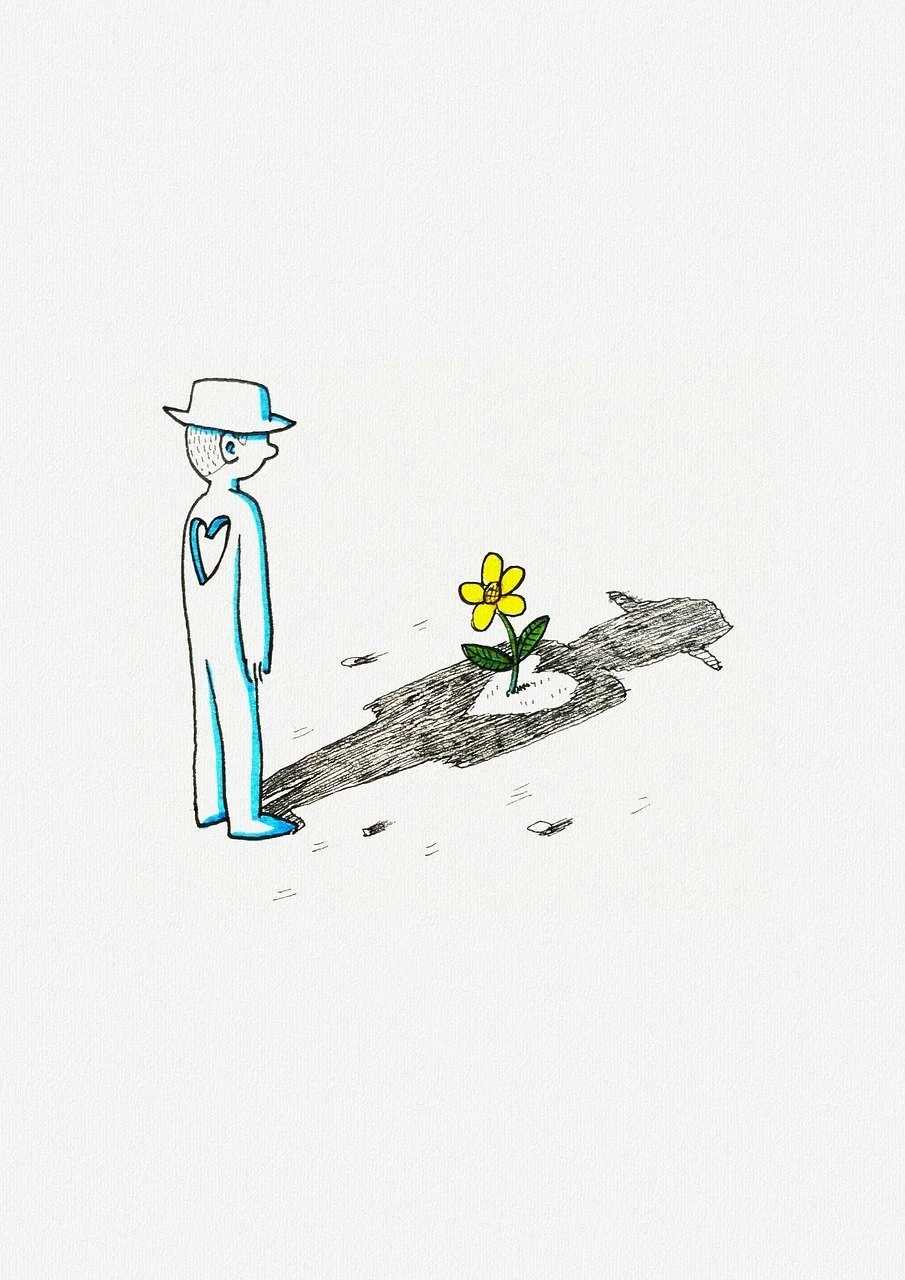
The light and dark within: Exploring our shadow self
Our sense of self begins to develop naturally during early childhood. We start to take ownership of and identify with more idealised qualities as they are praised in our environment. We eagerly embrace and reflect these “light” and “acceptable” attributes to ourselves and display them to others.

Understanding merger-enmeshment in relationships
An important focus of ours at Illume Psychology is balancing connection and independence because it is crucial to healthy relationship functioning and psychological wellbeing. Merger-enmeshment occurs when independence is denied and there is a lack of boundaries and separation in relationships. A merger can occur between a parent and child, within a family, or with a romantic partner or friend.
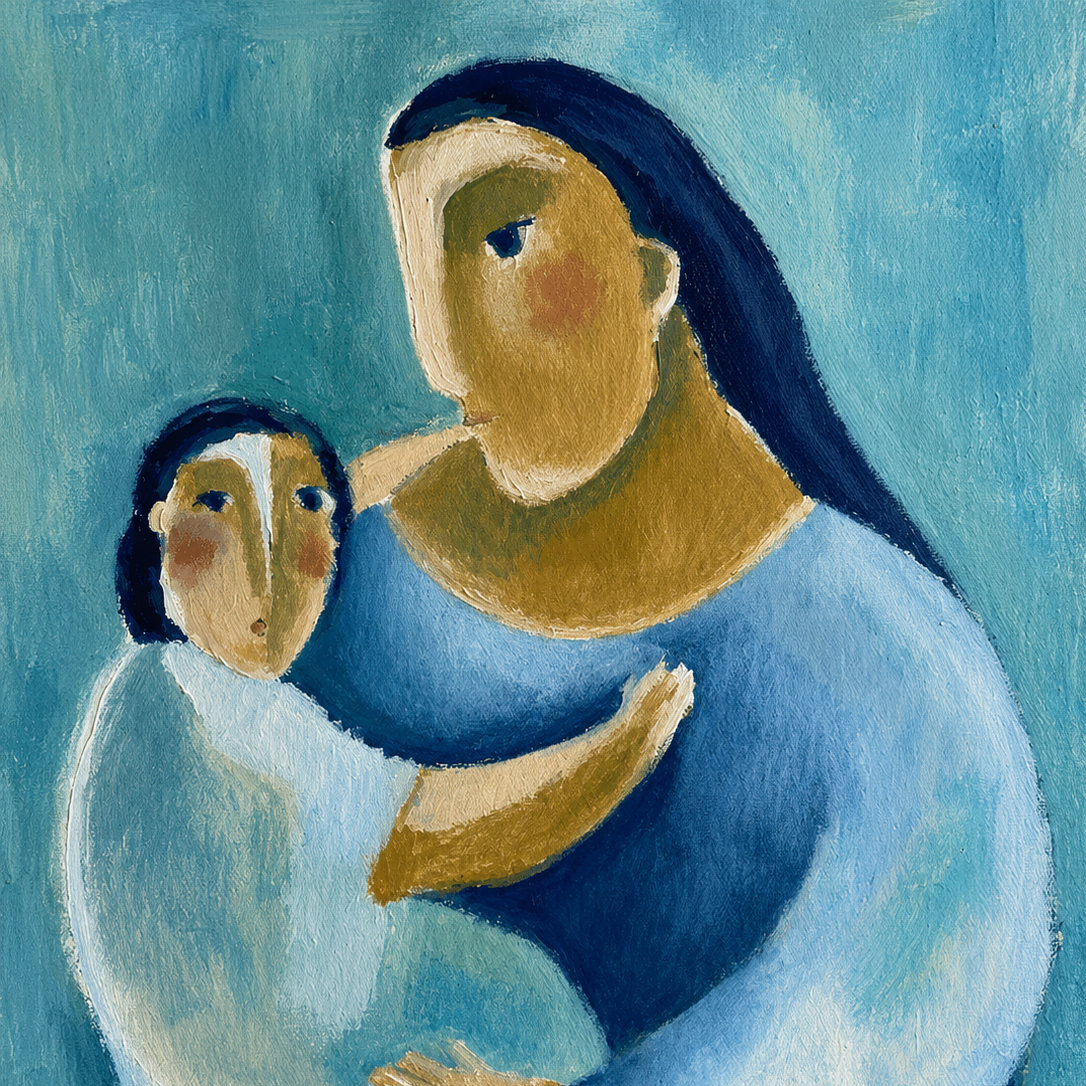
The indelible mark of motherhood: Stories that shape us all
Mothering and motherhood have been especially on our minds this month as we acknowledged Mother’s Day. It’s a time often dedicated to celebrating the incredible role of mothers. At Illume Psychology, we also understand that Mother’s Day can evoke a mix of emotions and memories, and may be a complicated as well as difficult time.

When words fail, the body speaks
In today’s fast-food society, our culture not only revolves around the food we ingest into our body, but also concerns how we feed our mind. Consequently, there has been a proliferation of fast-food therapy that is delivered and consumed so quickly that it barely touches the sides! At Illume Psychology, we are dedicated to an approach that cultivates nutrient-rich therapy, emotionally nourishing experiences and sustainable growth.

Understanding the mechanisms of splitting
‘Splitting’ is a psychological concept that describes an intricate pattern of thinking and behaviour that is also observable in relationships and interpersonal dynamics. It refers to a way of organising and perceiving experiences as either all good or all bad, with little to no nuance or grey area in between.
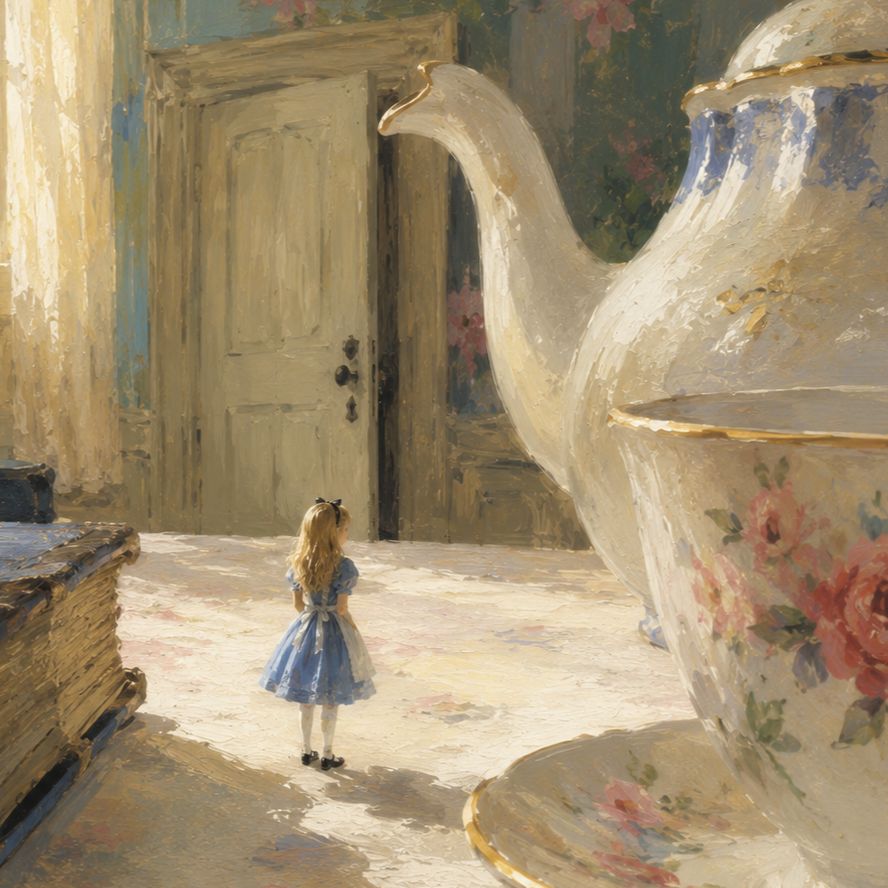
Constructing a Self: We are made from stories
Constructing a Self is a fundamental developmental process. We are continuously evolving, forming and revising our sense of who are are, which occurs through the telling and re-telling of stories about oneself, and also to oneself. It is the coherence and continuity of these stories over time that when woven into a narrative, become our identity.

Rupture + Repair
Our theme this month at Illume Psychology is ‘rupture and repair’, which refers to the breaking and restoring of connection within relationships. Connection or attachment to others is an important determinant of psychological development and therefore, rupture and repair is central to wellbeing. Ruptures involve any disruption to a connection and can be big or small, such as a minor frustration or a devastating loss of trust. When development goes well, ordinary ruptures are experienced as less threatening to a relationship because there has been a history of repair that provides security and the knowledge that when negative/angry feelings arise, positive/loving feelings will return.

The power of negative capability to reduce anxiety
A primary source of anxiety and anguish is the urgent need to know that is often coupled with insistence on possessing facts, answers and explanations in a world that is complex and full of doubt. Seeking control can create more anxiety in an attempt to alleviate the original discomfort of uncertainty. A feature of perfectionism is an overwhelming fear of making mistakes and the accompanying pressure to get everything right necessitates the impossibility of knowing it all, which leaves no space for discovery or learning.
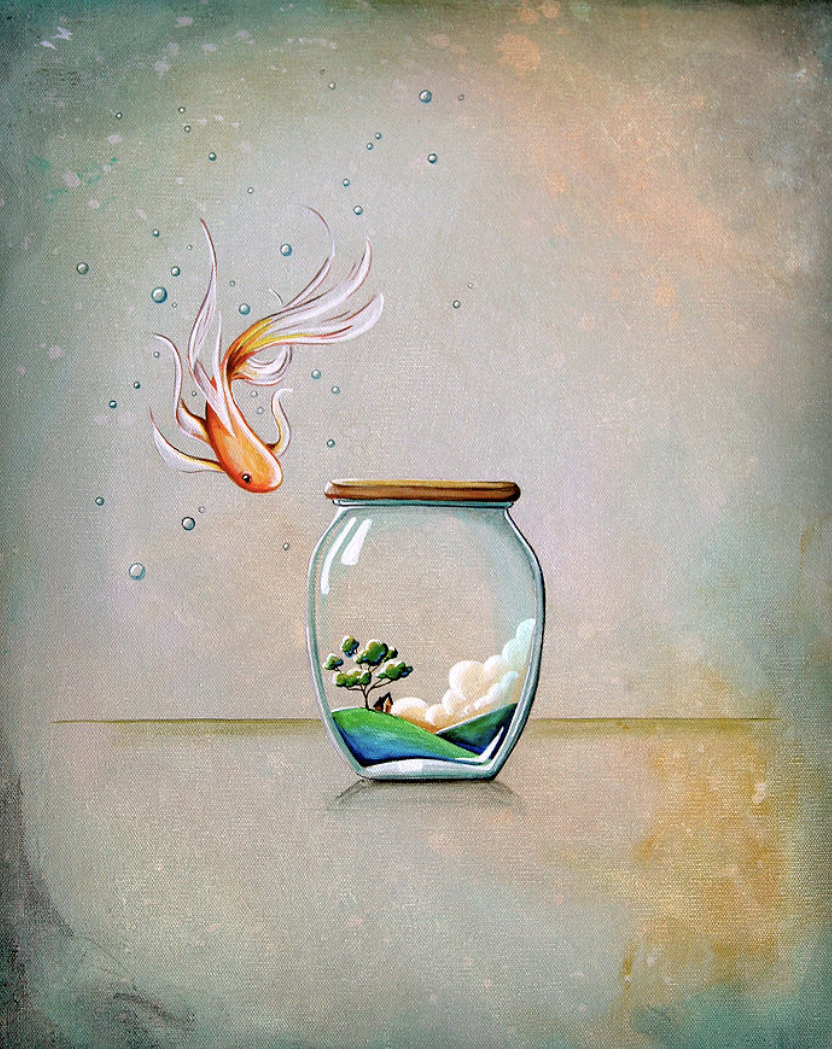
The most effective state of mind for growth
Our intense desire to know is human nature and an inborn impulse that Melanie Klein (1928/1975) called the epistemophilic instinct. Without this appetite to know more (and more!) there wouldn’t be much to inspire evolution. Psychologically speaking, the development and maintenance of the mind depends upon cultivating a Curious State of Being.
Image: Curiosity by Cindy Thornton